Hardware Virtualization: What It Is and Why It Powers Modern IT
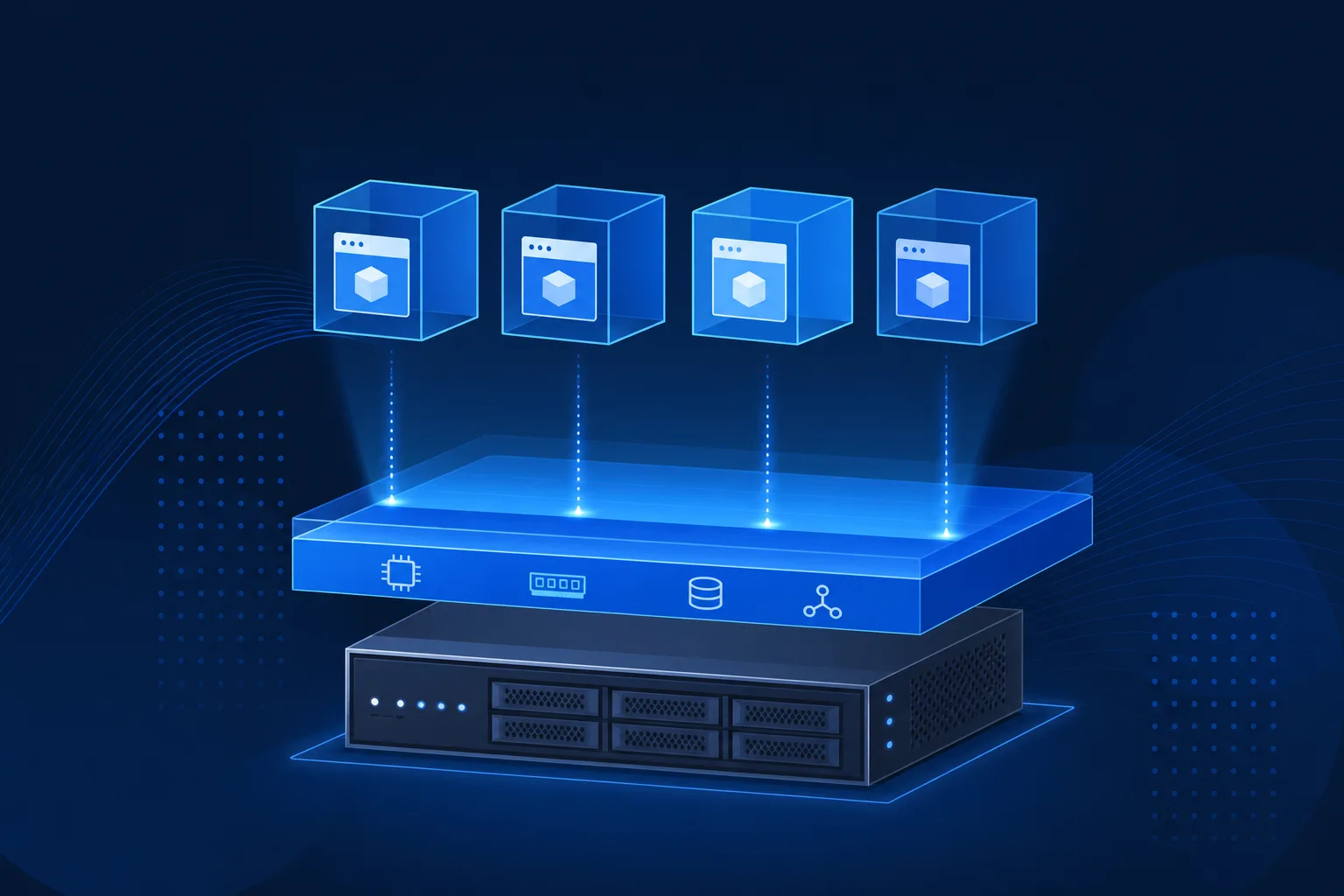
Hardware virtualization is technology that lets one physical computer run multiple independent virtual machines, each behaving like its own separate computer. A layer called a hypervisor divides the physical hardware so several systems can share it safely.
Hardware virtualization basics
- It runs many virtual machines on one physical server.
- A hypervisor manages and isolates each virtual machine.
- It improves hardware use, flexibility, and recovery.
- Most modern servers support it in the CPU.
What hardware virtualization does
Instead of dedicating a whole physical server to one job, virtualization splits it into multiple virtual machines. Each has its own operating system and applications and runs as if it were a standalone computer, even though several share the same physical hardware underneath.
The role of the hypervisor
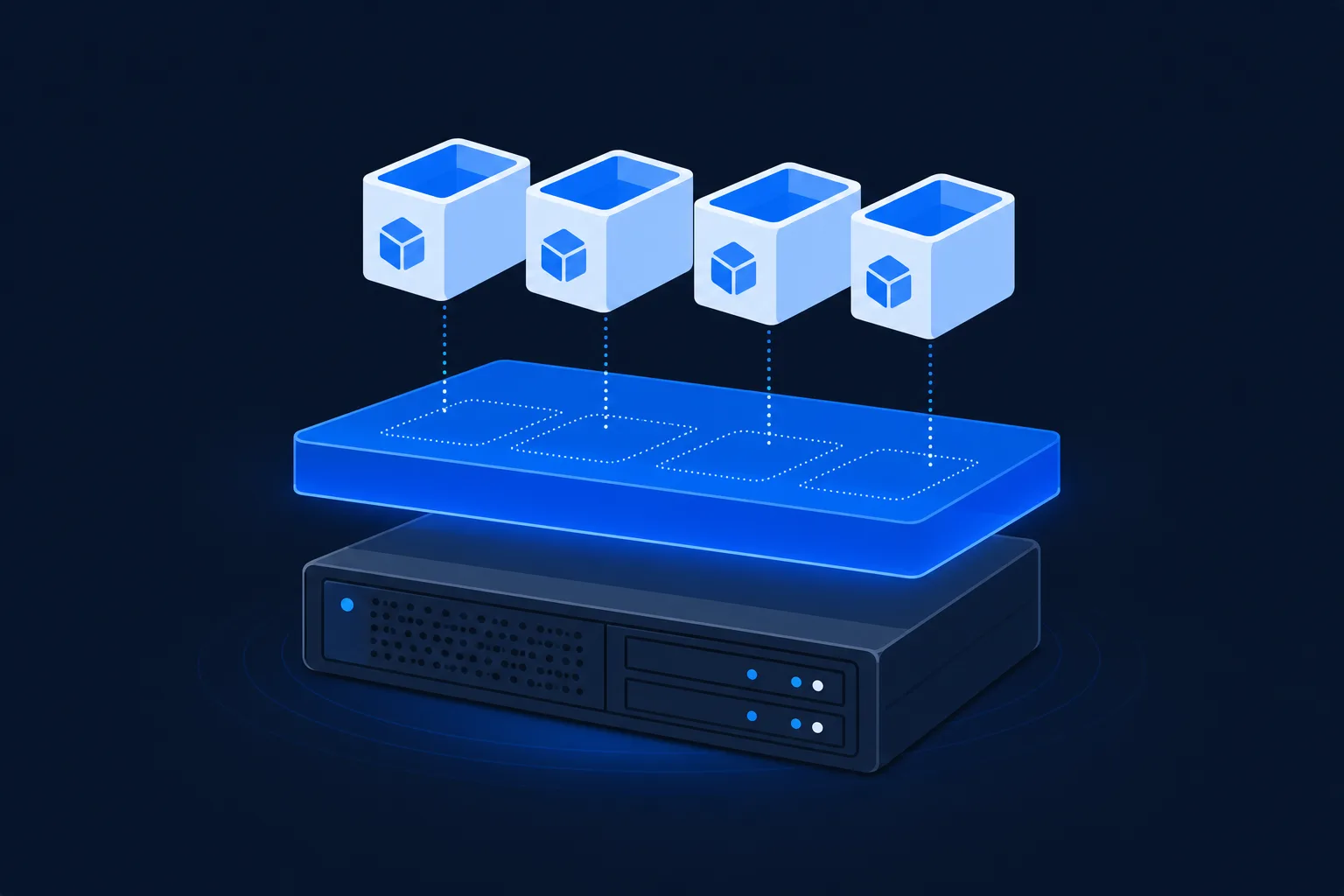
The hypervisor is the software layer that makes this possible. It allocates the physical processor, memory, and storage to each virtual machine and keeps them isolated so one cannot interfere with another. This isolation is what makes virtualization both safe and efficient.
Why it matters
- Better hardware use: one server does the work of many
- Flexibility: spin up or move machines quickly
- Recovery: virtual machines are easier to back up and restore
- Cost: fewer physical servers to buy and power
Enabling hardware virtualization
Most modern processors include virtualization support, but it sometimes must be turned on in the system firmware. Once enabled, a hypervisor can create and manage virtual machines on that hardware.
Frequently asked questions
What is hardware virtualization?
It is technology that lets one physical computer run multiple isolated virtual machines, each acting like a separate computer, managed by a hypervisor.
What is a hypervisor?
A hypervisor is the software layer that creates virtual machines, allocates physical resources to them, and keeps them isolated from each other.
How do I enable hardware virtualization?
Virtualization support is usually built into modern CPUs but may need to be enabled in the system firmware settings before a hypervisor can use it.
Leave a Reply