Network Security Management: Keeping the Network Defended and Available
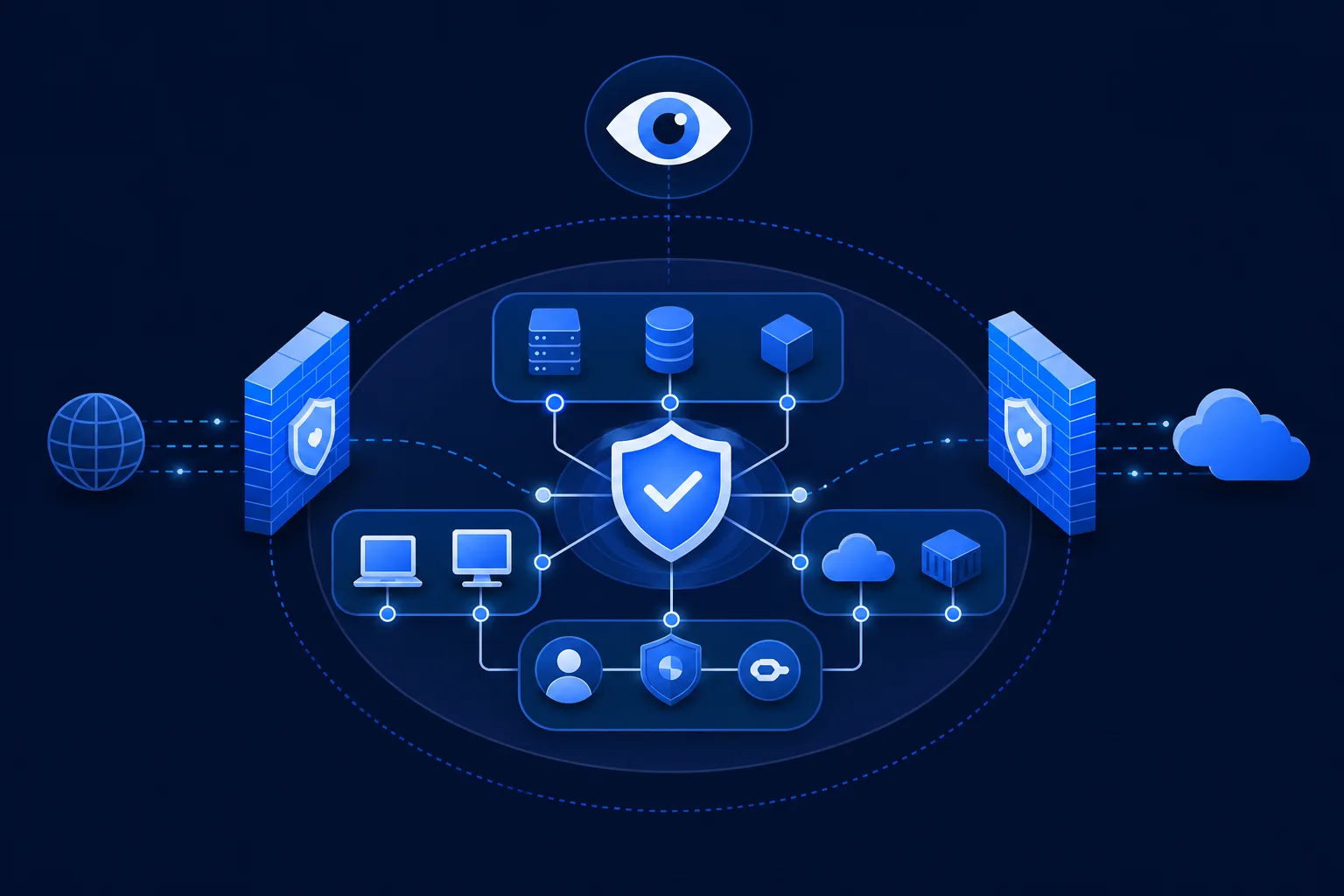
Network security management is the ongoing practice of protecting a network from threats while keeping it available and performing. It combines controls like firewalls and segmentation with continuous monitoring and a plan for when something goes wrong.
Network security management basics
- It protects the network without sacrificing availability.
- Core controls include firewalls, segmentation, and access control.
- Monitoring turns controls into active defense.
- It is continuous, not a one-time setup.
Balancing security and availability
The hard part of network security is that the network still has to work. Lock it down too tightly and you break the business; leave it open and you invite attack. Good network security management finds the balance: strong controls that do not get in the way of legitimate work.
The core controls
| Control | What it does |
|---|---|
| Firewalls | Filter traffic in and out of the network |
| Segmentation | Limit how far an intruder can move |
| Access control | Ensure only the right people reach the right systems |
| Monitoring | Detect suspicious activity in real time |
Why monitoring is essential
Controls set the rules, but monitoring is what catches the rule-breakers. Watching network traffic for unusual patterns turns a static defense into an active one, so an intrusion is spotted and stopped rather than discovered weeks later.
How providers deliver it
Providers manage network security across many clients from central platforms, applying consistent controls, watching traffic around the clock, and responding to incidents. That scale is what makes strong network security affordable for smaller organizations.
Frequently asked questions
What is network security management?
It is the ongoing practice of protecting a network from threats while keeping it available, combining controls, monitoring, and incident response.
What are the core network security controls?
Firewalls, network segmentation, access control, and continuous monitoring are the foundation of most network security programs.
Why is monitoring important?
Controls set the rules but monitoring catches violations in real time, turning a static defense into one that actively detects and stops intrusions.
Leave a Reply